
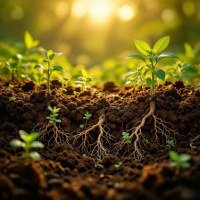
Soil, Compost, and Fertilizers: A Practical Guide for Sustainable Community Living
Introduction
Intentional communities are built on shared values, cooperation, and a deep respect for the environment. At the heart of sustainable living is healthy soil, which nurtures plants, supports biodiversity, and enables communities to grow their own food.
Table of Contents
1. The Importance of Healthy Soil for Sustainable Communities
2. Composting Basics: Turning Waste into Nutrient-Rich Soil
3. Natural Fertilizers: Boosting Plant Growth Without Chemicals
4. Permaculture and Soil Management: Creating a Resilient Garden
5. Soil Restoration Techniques: Healing Depleted Land
1. The Importance of Healthy Soil for Sustainable Communities
Introduction
Healthy soil is the foundation of any thriving intentional community. It nourishes plants, supports ecosystems, and ensures sustainable food production. Without rich, living soil, communities cannot grow the fruits, vegetables, and herbs that sustain both health and community resilience.
Benefits of Healthy Soil
- Improves Plant Growth: Fertile soil provides essential nutrients that help plants thrive.
- Supports Biodiversity: Healthy soil sustains beneficial microorganisms, insects, and other organisms that maintain ecosystem balance.
- Enhances Water Retention: Rich soil absorbs and retains water efficiently, reducing drought stress.
- Reduces Erosion: Strong soil structure protects land from erosion caused by wind and rain.
Practical Ways Communities Maintain Healthy Soil
- Cover Crops: Planting legumes or grasses between growing seasons adds nutrients and protects soil.
- Crop Rotation: Alternating crops prevents nutrient depletion and reduces pests.
- Mulching: Applying organic mulch retains moisture, regulates temperature, and suppresses weeds.
- Composting: Adding compost replenishes nutrients and improves soil structure naturally.
The Takeaway
Healthy soil is a living system that supports food production, biodiversity, and ecological balance. Communities that prioritize soil health invest in long-term sustainability, food security, and resilience.
2. Composting Basics: Turning Waste into Nutrient-Rich Soil
Introduction
Composting is the natural process of recycling organic matter, such as food scraps and yard waste, into nutrient-rich soil. In intentional communities, composting reduces waste, nourishes gardens, and supports sustainable living.
Benefits of Composting
- Reduces Waste: Diverts kitchen and garden scraps from landfills.
- Enriches Soil: Adds essential nutrients and beneficial microorganisms.
- Improves Soil Structure: Enhances water retention and aeration.
- Supports Sustainable Gardening: Reduces the need for chemical fertilizers.
How to Start Composting
- Choose a Compost Bin or Pile: Convenient location with good drainage.
- Balance Greens and Browns: Mix nitrogen-rich with carbon-rich materials.
- Maintain Moisture and Aeration: Keep damp and turn regularly.
- Monitor Temperature: Ensure proper heat development; turn to prevent odors.
Types of Compost
- Cold Composting: Slow decomposition over months, minimal maintenance.
- Hot Composting: Faster process with higher temperatures, ideal for larger amounts of waste.
- Vermicomposting: Uses worms to create rich soil, suitable for small spaces or indoor setups.
3. Natural Fertilizers: Boosting Plant Growth Without Chemicals
Introduction
Natural fertilizers offer a safe, sustainable way to nourish plants while supporting long-term soil fertility, making them ideal for intentional communities.
Common Natural Fertilizers
- Compost
- Manure
- Bone Meal
- Seaweed
- Coffee Grounds
How to Use Natural Fertilizers
- Apply compost or manure before planting or as a top dressing.
- Mix bone meal or crushed eggshells into the soil.
- Dilute seaweed or liquid fertilizers in water for foliar feeding.
- Rotate and combine different fertilizers to balance nutrients.
4. Permaculture and Soil Management: Creating a Resilient Garden
Introduction
Permaculture mimics natural ecosystems to create sustainable gardens. Effective soil management is central, ensuring productivity, resilience, and environmental health.
Permaculture Techniques
- Contour Planting and Swales
- Mulching
- Companion Planting
- No-Dig Gardens
- Cover Crops
5. Soil Restoration Techniques: Healing Depleted Land
Introduction
Soil degradation is a challenge due to overuse, erosion, and chemicals. Restoring soil health is essential for sustainable food production, ecosystem balance, and resilience.
Techniques for Restoring Soil
- Composting
- Cover Crops
- Mulching
- Crop Rotation
- Green Manure
- No-Till or Reduced-Till Farming
The Takeaway
Restoring soil health is essential for sustainable community living. Healthy soil supports abundant food production, preserves ecosystems, and ensures long-term resilience.