
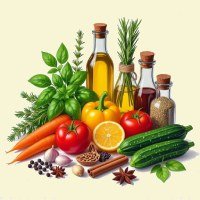
Food, Herbs, and Spices: Benefits and Uses
Food is the foundation of life. It fuels the body, provides energy, and supplies essential nutrients. Beyond basic nutrition, food can promote health, prevent disease, and improve overall well-being. The addition of herbs and spices to meals not only enhances flavor but also delivers natural compounds that have medicinal and health-promoting properties.
Herbs and spices are natural flavor enhancers that reduce the need for excessive salt or sugar. They are rich in vitamins, minerals, and antioxidants that support overall health. Incorporating a variety of herbs and spices can make meals more appealing and colorful.
Many spices, like cumin and coriander, aid digestion and improve metabolism. Chili peppers contain capsaicin, which can boost circulation and promote fat burning.
Fresh herbs like mint and cilantro have detoxifying properties and add freshness to dishes. Spices like saffron and paprika provide unique flavors while supporting immune health. Using herbs and spices in daily cooking encourages a balanced and nutritious diet. They can transform simple foods into gourmet meals without artificial additives. Exploring herbs and spices from different cultures introduces new tastes and culinary experiences.
The Benefits of Common Herbs and Spices
- Basil: Helps with digestion, reduces inflammation, and adds fresh flavor to salads, sauces, and pasta.
- Rosemary: Improves memory, boosts circulation, and pairs well with roasted meats and vegetables.
- Turmeric: Contains curcumin, which reduces inflammation and can be added to soups, curries, and rice dishes.
- Ginger: Supports digestion, reduces nausea, and can be used in teas, stir-fries, and marinades.
- Garlic: Supports heart health, fights infections, and is great in sauces, dressings, and roasted dishes.
- Cinnamon: Regulates blood sugar, improves circulation, and enhances oatmeal, desserts, and beverages.
- Parsley: Rich in vitamins and antioxidants, it is used in soups, salads, and garnishes.
- Cilantro: Supports detoxification, adds flavor to salsas, curries, and fresh dishes.
Where Herbs and Spices Are Used
- Fresh herbs: Used for salads, garnishes, sauces, and cold dishes.
- Dried herbs: Ideal for soups, stews, roasted dishes, and baking.
- Ground spices: Added to curries, rice dishes, baked goods, and beverages.
- Infusions: Herbs like mint, chamomile, and ginger can be used to make teas and health drinks.
Simple Recipes Using Herbs and Spices
Garlic and Rosemary Roasted Chicken:
Ingredients: Whole chicken, garlic cloves, rosemary sprigs, olive oil, salt, and pepper.
Method: Rub chicken with olive oil, garlic, rosemary, salt, and pepper. Roast at 375°F for one hour or until fully cooked.
Turmeric Ginger Tea
Ingredients: Fresh ginger, turmeric powder, lemon, honey, and water.
Method: Boil water with sliced ginger and turmeric. Add lemon juice and honey. Serve warm.
Cinnamon Oatmeal
Ingredients: Oats, milk or water, cinnamon powder, and fruit.
Method: Cook oats in milk or water. Stir in cinnamon and top with fruit for added nutrition and flavor.
Basil and Tomato Salad
Ingredients: Fresh basil, tomatoes, olive oil, vinegar, salt, and pepper.
Method: Chop tomatoes and basil. Mix with olive oil, vinegar, salt, and pepper. Serve fresh.
Health Benefits of Herbs and Spices
- Antioxidant properties: Many herbs reduce oxidative stress and slow aging.
- Anti-inflammatory effects: Turmeric, ginger, and rosemary can reduce inflammation.
- Digestive support: Herbs like basil, mint, and ginger improve digestion.
- Heart health: Garlic and cinnamon help regulate blood pressure and cholesterol.
- Immune system support: Many herbs and spices contain compounds that fight infections and support immunity.
Additional Benefits and Uses
- Herbs and spices reduce the need for excessive salt or sugar in meals.
- They are rich in vitamins, minerals, and antioxidants for overall health.
- Incorporating a variety of herbs and spices makes meals colorful and appealing.
- Spices like cumin and coriander aid digestion and improve metabolism.
- Chili peppers contain capsaicin, which boosts circulation and supports fat burning.
- Fresh herbs like mint and cilantro add freshness and detoxifying properties.
- Spices like saffron and paprika provide unique flavors and support immunity.
- Using herbs and spices encourages a balanced and nutritious diet.
- They transform simple foods into gourmet meals without artificial additives.
- Exploring herbs and spices from different cultures introduces new tastes and experiences.
Conclusion
Incorporating herbs and spices into daily meals is an easy and effective way to improve flavor and support health. They enhance the nutritional value of food and provide natural remedies for common ailments. From fresh herbs in salads to ground spices in cooked dishes, the possibilities are endless. Using herbs and spices responsibly not only creates delicious meals but also helps maintain a healthy lifestyle. By exploring the benefits, uses, and simple recipes of herbs and spices, everyone can enjoy meals that are flavorful, nutritious, and good for the body. Herbs and spices are nature’s way of combining taste with wellness, offering both enjoyment and protection for daily life.