
Emergency Shelters
 Rising from the Earth: Building Resilient Earthbag Domes for Emergency Shelters (with Images)
In regions vulnerable to natural disasters, the urgent need for rapid, affordable, and resilient emergency shelters is a recurring challenge. In the aftermath of events like hurricanes, tropical storms, or severe flooding, conventional construction methods often fall short due to cost, time constraints, and reliance on inaccessible imported materials. Enter the earthbag dome, a remarkable construction technique that leverages readily available resources – earth-filled bags – to create sturdy and sustainable structures, ideal for providing immediate and long-term refuge.
The Imperative for Resilient Shelters
Many communities globally face recurring threats from natural hazards. Their geographical locations often make them highly susceptible to various disasters, highlighting the critical demand for robust and reliable shelter solutions. Traditional buildi ng approaches can be expensive, time-consuming, and frequently depend on external supply chains that may falter during crises. Furthermore, the environmental footprint of conventional construction is a growing concern. Earthbag construction offers a compelling alternative, utilizing local materials and simple techniques to build structures that are not only strong and safe but also environmentally friendly and adaptable to diverse cultural contexts.
The Genius of Earthbag Dome Construction
Earthbag building is an ancient concept revitalized for contemporary needs. It involves filling durable bags (typically polypropylene or burlap) with readily available earth– comprising soil, clay, or sand – and compacting them to form dense, load-bearing walls. These bags are then laid in successive layers, commonly with strands of barbed wire placed between courses. The barbed wire acts like a mortar, preventing slippage and interlocking the layers. For a dome structure, the walls are progressively angled inward (corbelled), creating a naturally strong and stable form that minimizes or entirely eliminates the need for traditional roof framing.
Key Advantages of Earthbag Domes for Emergency Shelters:
> Readily Available and Affordable Materials:
The primary building material is earth, abundant in most regions. The bags themselves are relatively inexpensive and can often be sourced locally, significantly reducing construction costs and reliance on external supply chains.> Ease of Construction:
The technique is straightforward and quickly learned, making it perfect for community-based projects and self-help initiatives. Individuals, even with limited prior construction experience, can contribute effectively.
-
-
Rapid
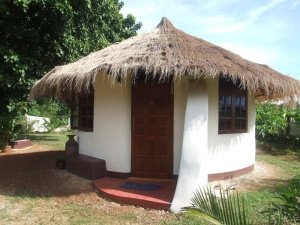 Construction: Compared to conventional methods, earthbag domes can be erected relatively swiftly, particularly with enthusiastic community involvement. This speed is vital in emergency scenarios where time is of the essence.</li >
Exceptional Strength and Durability: Compacted earth yields remarkably strong and stable walls capable of withstanding high winds, seismic activity, and even some flooding (with appropriate site preparation and design). The inherent strength of the dome shape evenly distributes stress.
-
> Excellent Thermal Mass: Earth possesses high thermal mass, meaning it absorbs and slowly releases heat. This property helps regulate interior temperatures, keeping shelters cooler in hot climates and warmer during cooler periods, thereby reducing the need for energy-intensive climate control.
> Fire Resistance: Earth is naturally non-combustible, providing a substantial safety advantage in critical situations.
> Sound Insulation: The dense earth walls offer superior sound insulation, contributing to a more peaceful and secure environment inside the shelter.
> Pest Resistance: Properly constructed earthbag walls are resilient against termites and other common pests.
> Environmental Friendliness: Utilizing local earth reduces the carbon footprint associated with transporting building materials. Earthbag construction frequently integrates broader sustainable design principles.
> Adaptability and Customization: Earthbag domes can be designed in various sizes and configurations to meet diverse needs, from single-family shelters to larger communal spaces.
The Building Process: Step-by-Step
While specific techniques may vary based on local conditions and resources, the general process of constructing an earthbag dome for an emergency shelter typically involves these key steps:
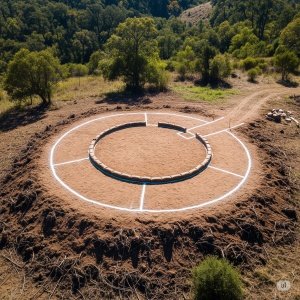 1. Site Selection and Preparation:
A cleared, slightly elevated site, perhaps with visible markings on the ground outlining the dome’s circular footprint.
The chosen site should be well-draining and ideally somewhat elevated to minimize flood risk. Clear the area of all vegetation and debris. Measure and mark the desired diameter of the dome to define its circular base.
2. Foundation:
A circular trench with a low foundation of gravel or compacted rubble being laid.
A simple, robust foundation is crucial to elevate the earthbags above ground level and prevent moisture wicking. This can involve several courses of gravel-filled bags, thoroughly compacted rubble, or even locally available stone.
3. Laying the First Courses of Bags:
The first circular course of earthbags laid tightly on the foundation, with workers tamping them firmly.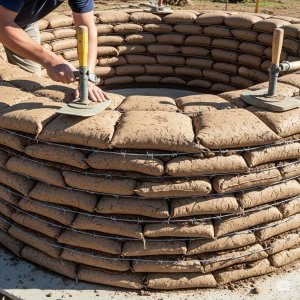
Fill durable bags with locally sourced earth (ensuring a suitable composition, often a mix of clay, sand, and silt). Securely close the bags. Lay the first circular course of bags tightly, end-to-end, on the prepared foundation. Firmly tamp down each bag using a tamper (a heavy, flat-bottomed tool for compaction). Place two strands of barbed wire between each layer of bags to provide tensile strength and prevent movement.
4. Corbelling the Walls:
Subsequent courses of earthbags being laid, each progressively set slightly inward to begin shaping the dome.
As each subsequent course is laid, it is positioned slightly inward (corbelled) relative to the course below. This gradual inward progression creates the characteristic dome shape. Continue to thoroughly tamp each bag and incorporate barbed wire between every course.
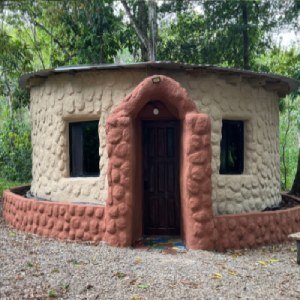 5. Door and Window Openings:
> Wooden or bamboo frame s being integrated directly into the earthbag wall as it rises, forming structural openings.
> As you build, integrate pre-fabricated frames, often made from wood or bamboo, into the earthbag wall to create openings for doors and windows. These frames are essential for providing structural integrity to these breaks in the wall.
6. Securing the Apex (Top) of the Dome:
Workers carefully placing and compacting the final, smaller bags at the very top of the dome, where the opening narrows.
As the dome approaches completion, the circular opening at the top will progressively narrow. Smaller bags may be necessary to fill this diminishing space tightly. Ensure the final bags are securely placed and thoroughly tamped to form a solid, weather-resistant apex.
7. Plastering and Finishing:
Workers applying a natural plaster (e.g., lime or clay-based) to the exterior of an earthbag dome.
Once the primary dome structure is complete, apply a protective plaster to both the interior and exterior surfaces. Natural plasters made from lime, clay, and sand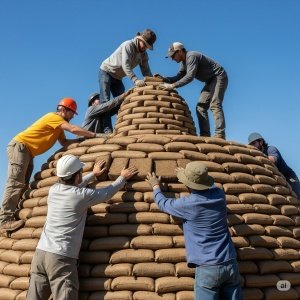 are ideal choices as they are breathable, durable, and environmentally friendly. The plaster shields the bags from UV degradation and moisture.
8. Roofing (Optional and Design-Dependent):
A simple, lightweight roof structure, perhaps thatched with local materials or covered with corrugated metal, being added on top of the plastered dome.
Although the dome shape inherently offers good water resistance, a simple additional roof can provide enhanced protection against heavy rainfall. This could be a traditional thatched roof (using local palm leaves or grasses) or a lightweight corrugated metal roof, depending on available resources and specific design requirements.
9. Doors and Windows:
Image suggestion: Simple, functional doors and window shutters, crafted from locally sourced wood or bamboo, being installed into their prepared openings.
Install basic, functional doors and window shutters, ideally crafted from locally available and sustainable materials like wood or bamboo.
Earthbag Domes in Vulnerable Regions
Earthbag construction is highly suited for many vulnerable regions due to its alignment with local climates and available resources. The widespread availability of earth 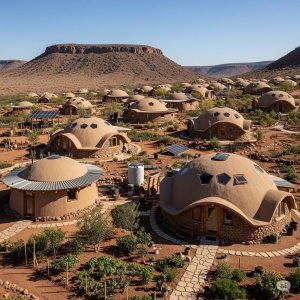 makes it a universally accessible primary building material. The inherent thermal mass of earthbag walls is particularly advantageous in tropical or hot climates, helping to maintain cooler interiors without significant reliance on energy-intensive cooling systems. The simplicity of the technique empowers local communities to take ownership of their shelter needs, fostering resilience from within.
Furthermore, earthbag domes can be culturally integrated. Their organic shapes and natural materials lend themselves to aesthetically pleasing designs that can be adapted to local architectural traditions. Community-based workshops and training programs can empower individuals and families with the skills to build their own resilient shelters, fostering self-reliance and strengthening community bonds in the face of adversity.
Challenges and Considerations
While earthbag construction offers numerous advantages, there are also practical challenges to address:
Soil Suitability: Not all soil types are ideal for earthbag construction. Proper soil testing is essential to ensure the earth has the correct composition (e.g., adequate clay content) for optimal strength and stability.
> Moisture Management: While earthbag walls are remarkably durable, excessive moisture can be a concern. Proper site drainage, a robust foundation, and the application of a breathable plaster are fundamental for effective moisture management and long-term durability.
> Labor Intensity: Although the technique is simple, building with earthbags can be physically demanding, especially the repetitive tasks of filling and tamping. Successful projects often rely heavily on organized community participation and collaborative effort.
> Building Codes and Regulations: Engaging with local authorities is important to ensure that earthbag construction methods comply with any relevant building codes and safety regulations in a given region. This may involve providing documentation or adapting designs to meet specific standards.
Conclusion: Building a More Resilient Future, One Earthbag at a Time
Earthbag dome construction presents a powerful and sustainable solution for emergency shelters in disaster-prone areas. By harnessing the readily available resource of earth and employing simple, community-driven techniques, vulnerable communities worldwide can construct strong, affordable, and thermally comfortable shelters. These structures offer immediate refuge and long-term resilience against natural disasters. As societies continue to navigate the complexities of a changing climate, embracing innovative and locally appropriate building methods like earthbag construction will be crucial in fostering safer, more sustainable, and empowered communities. The potential to rise from the earth, quite literally, and build a more secure future is within reach.